From California High-Speed Rail to the Foothill Gold Line extension, we’re always hearing about next-gen transit projects in Los Angeles. But the Sepulveda Transit Corridor may be one of the most ambitious, as it aims to provide a high-speed alternative to the 405.
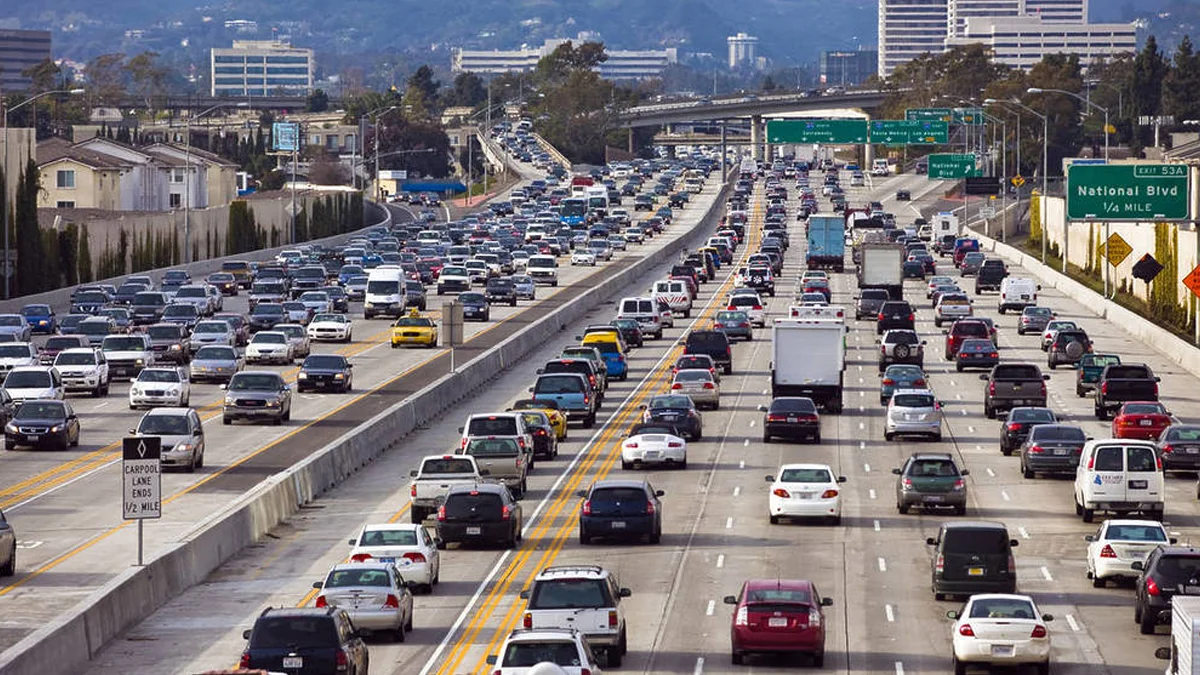
The notorious freeway carries roughly 400,000 car trips every single day through the Sepulveda Pass, which can take over 90 minutes in rush hour traffic. But with the latest approved plan, commuters could close the distance in less than 18 minutes, including a stop right on the UCLA campus.
Subway vs. Monorail
The future of the Sepulveda Transit Corridor was the subject of a long-standing debate between subway and monorail options. In January, the L.A. Metro Board officially selected an underground heavy rail subway plan.
Metro ultimately chose a modified version of Alternative 5: an automated subway stretching 13-14 miles under Van Nuys Boulevard, from the planned Van Nuys Metrolink Station in the north to the E Line Expo/Sepulveda Station in the south.
The full planned route includes the following stops:
- Metro E Line/Sepulveda
- Santa Monica Bl
- Wilshire Bl (Metro D Line)
- UCLA Gateway Plaza
- Ventura Bl
- Metro G Line
- Sherman Way
- Van Nuys Metrolink Station
While the monorail proposal was cheaper to build, it was rejected for having less capacity, slower speeds, and a lack of access to UCLA.
More about the Sepulveda Transit Corridor
The Sepulveda Transit Corridor project is estimated to cost $24.2 billion, with initial funding coming from Measure M’s county sales tax, and additional support expected from local, state, and federal sources.
While previous completion date targets have ranged from 2033 to 2038, Metro said that an updated construction timeline will be shared after the conclusion of the planning and environmental review phase.